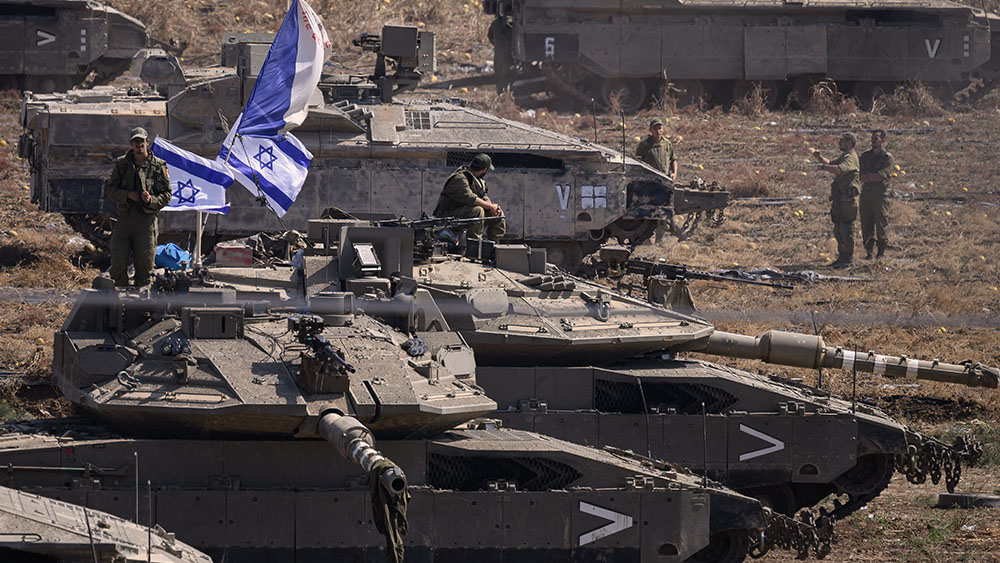
U.S. sanctions ICC judges over Gaza war crimes probe, sparking global outcry
12/05/2025 / By Belle Carter
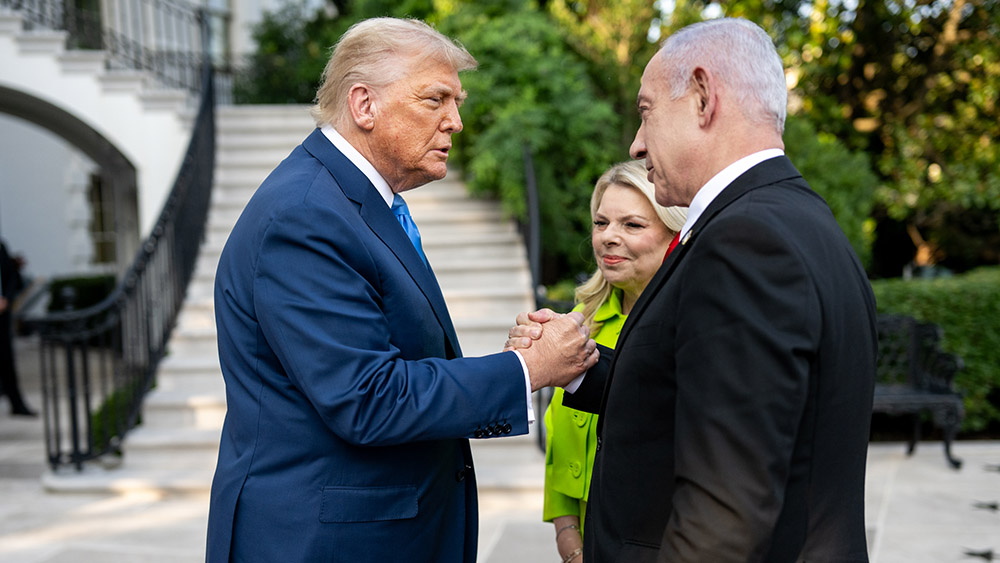
- The Trump administration imposed sanctions on four ICC judges investigating alleged war crimes by Israel and the U.S. in Gaza, freezing their assets and restricting financial access—an unprecedented escalation targeting international justice.
- The ICC denounced the sanctions as a “flagrant attack on the rule of law,” with President Tomoko Akane vowing they would not deter investigations, despite disruptions to officials’ financial transactions in Europe.
- The sanctions follow ICC arrest warrants for Israeli Prime Minister Benjamin Netanyahu and ex-Defense Minister Yoav Gallant over alleged war crimes, including starvation tactics in Gaza—charges both leaders deny.
- Le Monde revealed a year-long effort by Israel and the U.S. to block ICC warrants, using political pressure, jurisdictional challenges and smears against Chief Prosecutor Karim Khan, who faces misconduct allegations.
- Human rights groups warn the sanctions undermine justice, calling them a “blatant attempt to shield allies from scrutiny.” The ICC’s defiance signals continued pursuit of accountability, but its future remains uncertain amid geopolitical resistance.
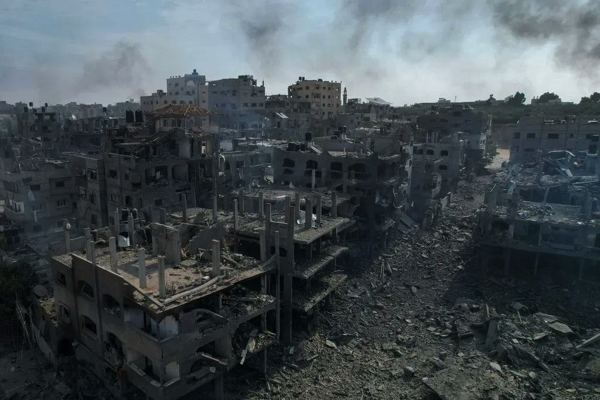
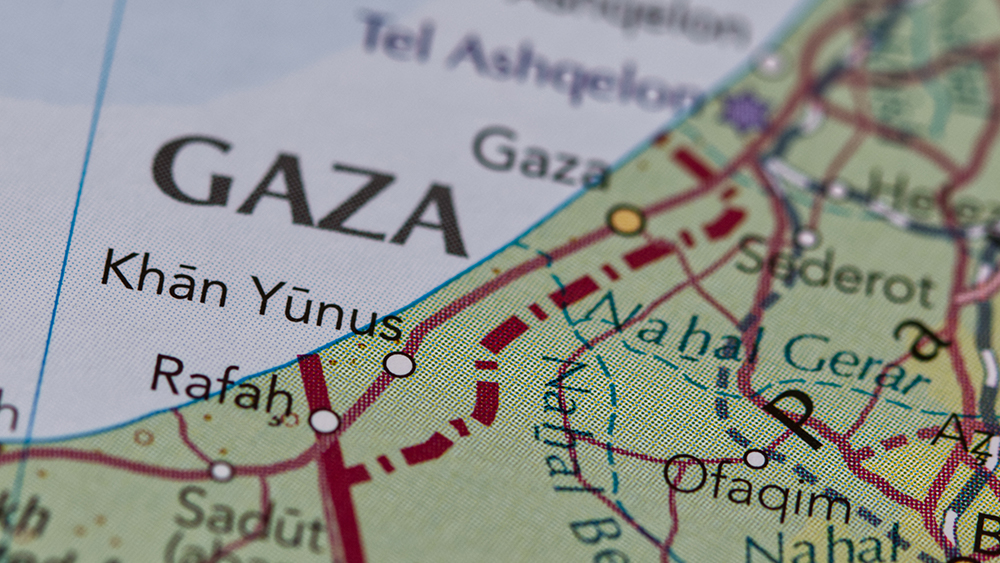
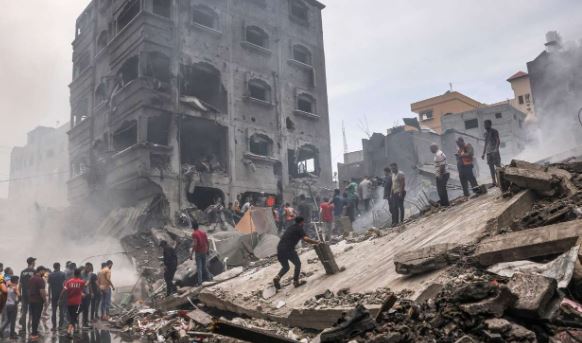
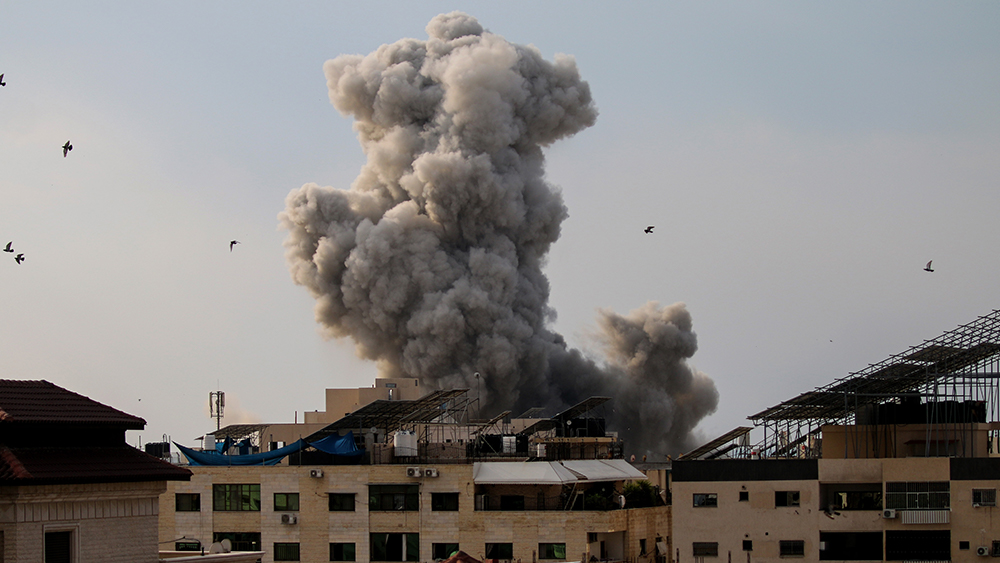
The United States has imposed sanctions on four International Criminal Court (ICC) judges investigating alleged war crimes committed by Israel and the U.S. in Gaza, freezing their assets and restricting their access to the global financial system.
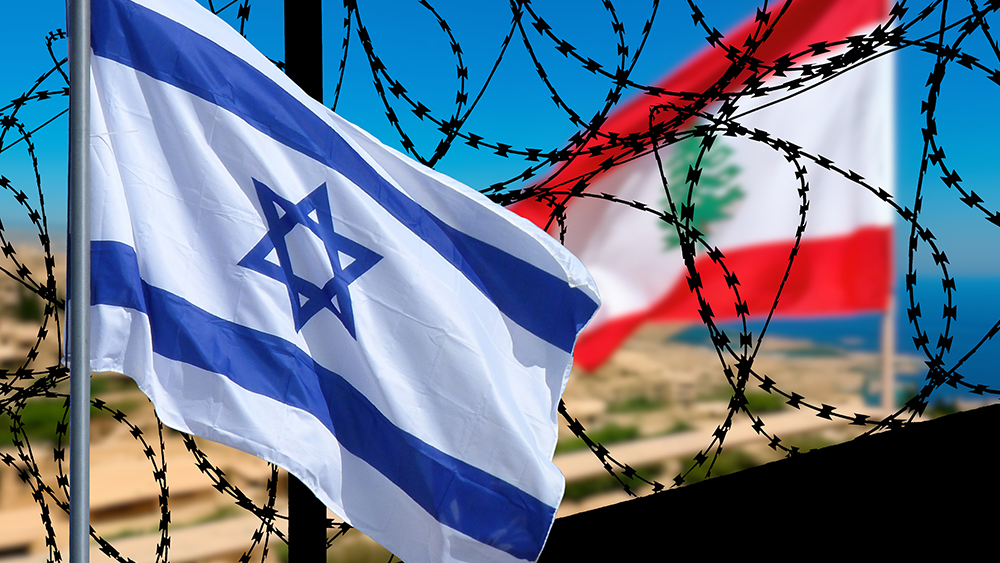
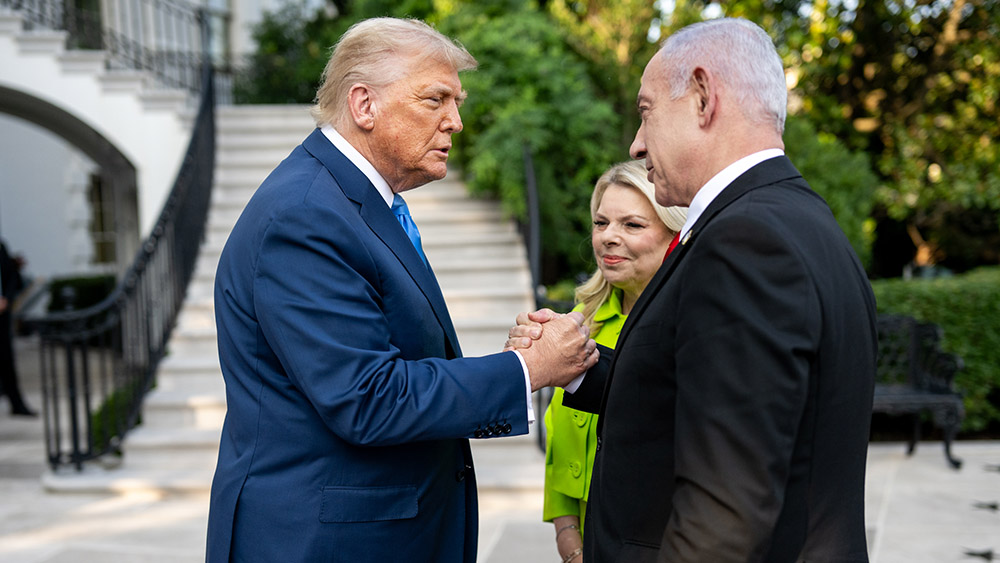
The move, ordered by the Trump administration, escalates Washington’s long-standing hostility toward the ICC—particularly its scrutiny of Israeli military actions—and raises concerns about political interference in international justice.
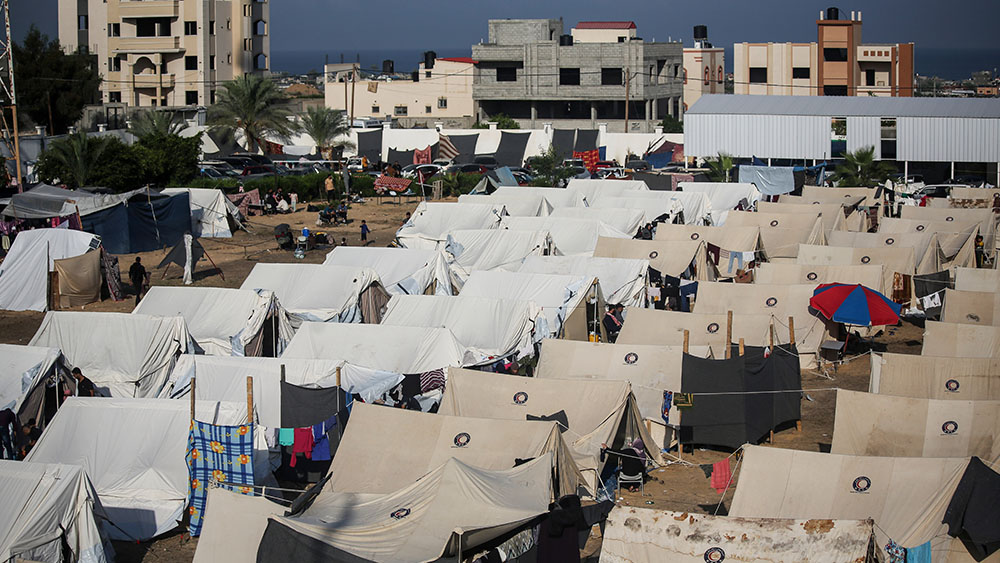
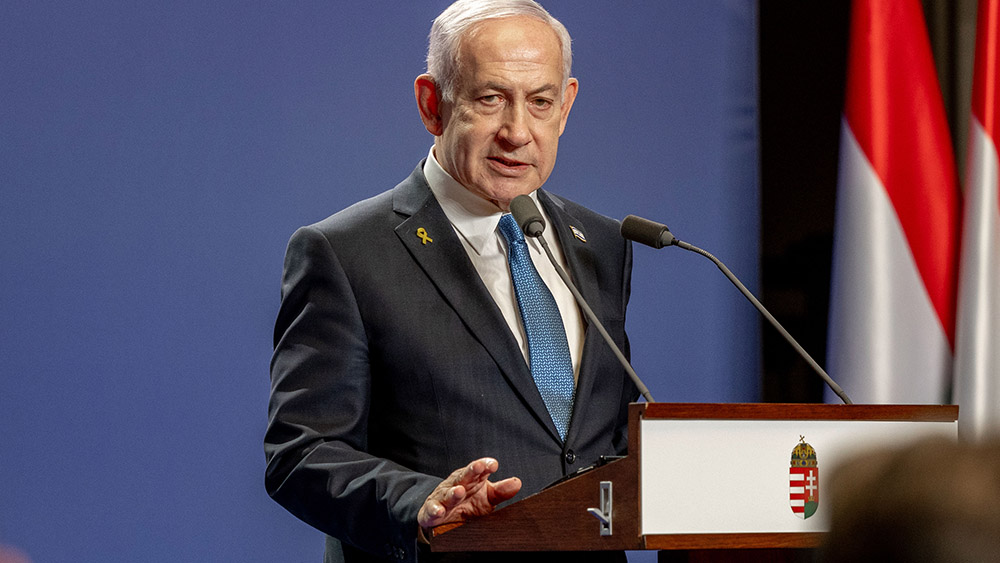
The sanctions target ICC officials involved in issuing arrest warrants for Israeli Prime Minister Benjamin Netanyahu and former Defense Minister Yoav Gallant over alleged war crimes, including starvation tactics used against Palestinian civilians. The ICC swiftly condemned the measures, calling them a “flagrant attack on the rule of law,” while human rights groups warn that such actions undermine accountability for atrocities.
A direct challenge to international justice
The ICC was established in 2002 as the world’s permanent court for prosecuting genocide, war crimes and crimes against humanity, according to BrightU.AI‘s Enoch. It has faced persistent opposition from the U.S., Israel, Russia and China—none of which are member states. Washington’s latest sanctions, however, mark an unprecedented escalation.
“The ICC never accepts any kind of pressure from anyone on issues of interpretation of the statutory framework and adjudication of cases,” ICC President Tomoko Akane declared at the court’s annual meeting in The Hague. She acknowledged that the sanctions have disrupted officials’ financial transactions, even in European member states, but insisted they would not deter the court’s work.
The sanctions freeze any U.S. assets held by the targeted judges and prosecutors while cutting them off from the dollar-dominated global banking system—effectively isolating them economically. Sources indicate the U.S. is now considering sanctions against the entire ICC institution, a move that could cripple its operations.
Israel and U.S. pressure campaign against the ICC
A Le Monde investigation revealed that Israel and the U.S. engaged in a year-long campaign to block ICC arrest warrants against Netanyahu and Gallant. Tactics included political interventions, jurisdictional challenges and smear efforts against Chief Prosecutor Karim Khan, who is currently on leave pending a U.N. investigation into misconduct allegations—which he denies.
The ICC’s warrants allege that Netanyahu and Gallant bear “criminal responsibility” for war crimes in Gaza, including deliberate starvation of civilians—a charge both leaders deny. Israel’s attempt to appeal the warrants was rejected, with the court stating the request was “not an appealable issue.”
Neither the U.S. nor Israel recognizes the ICC’s jurisdiction, but the court asserts authority over crimes committed in Palestine, which it recognizes as a state party. However, without its own enforcement mechanism, the ICC relies on member states to execute arrest warrants—making sanctions a potent tool to obstruct justice.
Global backlash and the future of accountability
Human rights organizations have condemned the sanctions as an assault on judicial independence. Liz Evenson of Human Rights Watch called them a “blatant attempt to shield allies from scrutiny,” while ICC supporters argue that such measures embolden perpetrators of war crimes.
The confrontation underscores a broader struggle over international accountability. The ICC’s high-profile cases—including arrest warrants for Netanyahu and Russian President Vladimir Putin—have tested its ability to function amid geopolitical resistance. With the U.S. now openly targeting its officials, the court’s future hangs in the balance.
As the ICC convenes to approve its budget amid mounting pressure, its president’s defiance sends a clear message: despite sanctions and threats, the pursuit of justice will continue. But whether the world’s most powerful nations will allow it remains an open question.
The U.S. sanctions against ICC judges represent a dangerous precedent—one where political power supersedes international law. As the court vows to resist, the global community watches closely, knowing that the outcome will shape not just the fate of Gaza’s victims, but the very principle that no one, not even world leaders, is above justice.
Watch the video below about the Trump administration’s complicity in the ethnic cleansing in Gaza.
This video is from the Brighteon Highlights channel on Brighteon.com.
Sources include:
Submit a correction >>
Tagged Under:
biased, big government, chaos, crimes against humanity, crybullies, Donald Trump, fascism, Gaza, global banking system, human rights, ICC, ICC judges, insanity, international justice, intolerance, Israel, Israel-Hamas war, Netanyahu, politics, pro-Israel, sanctions, War crimes, White House, World War III
This article may contain statements that reflect the opinion of the author
RECENT NEWS & ARTICLES